
The Difference Between Single-Mode and Multi-Mode
2025-11-04
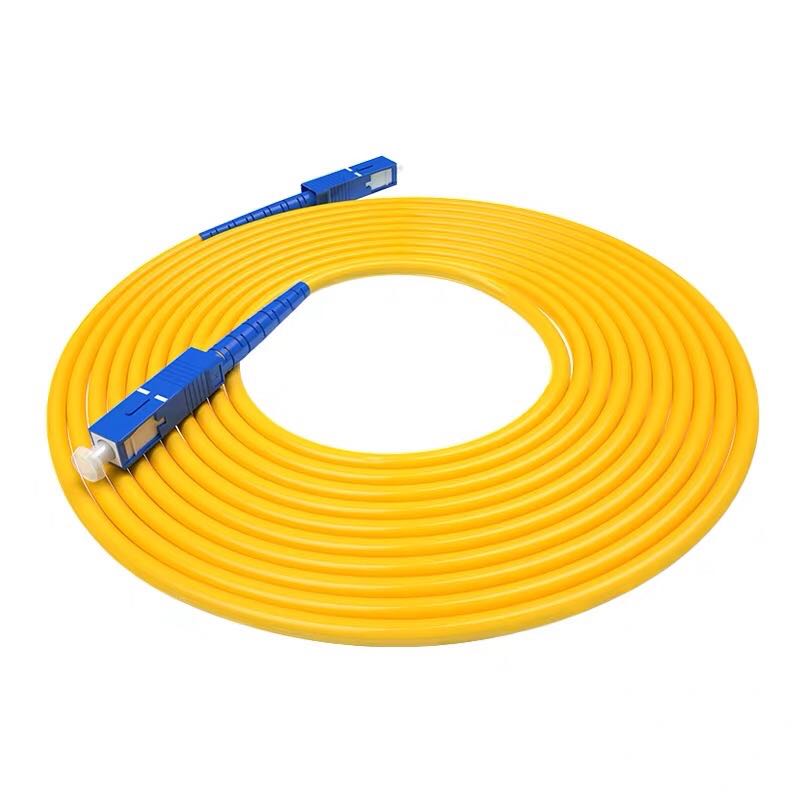
When we choose optical fibers, we usually choose different fibers according to our needs. So how should we choose? Now we will give an introduction to fiber optic modes, the differences between single-mode and multi-mode.
Color: The Most Intuitive Distinction
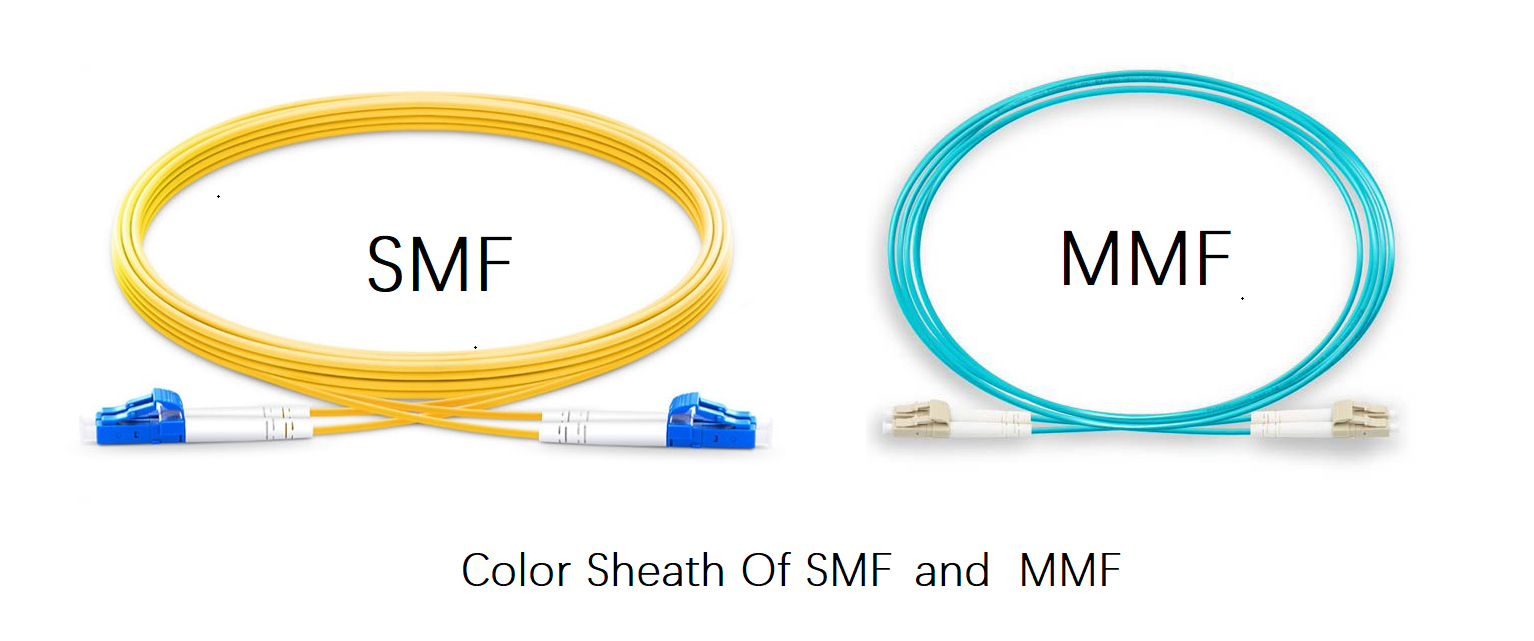
When you first see fiber optic cables, color is the most obvious distinguishing mark. Single mode fiber is usually dressed in a yellow "coat", which is the color of single-mode fiber clearly specified in international standards, such as G.652D, G.657A and other models of single-mode fiber. Yellow is like their identification plate, which is very eye-catching in fiber optic cabling.
Single-mode optical fibers are usually yellow, while multi-mode optical fibers are generally orange or aqua blue. Orange multimode optical fibers such as OM1 (62.5 μ m core) were widely used in early LAN construction. Water blue multimode optical fibers are usually OM3 (50 μ m core, supporting 10G/40G) and OM4 (50 μ m core, supporting 40G/100G). In data centers, which require extremely high network speed, water blue multimode optical fibers bear the responsibility of high-speed data transmission, ensuring fast exchange and storage of data.
This color difference allows for quick identification in practical scenarios. For example, during the wiring of a data center, technicians can immediately distinguish the type of optical fiber by its outer sheath color, avoiding misconnection and improving construction efficiency.
Distance: The Divide Between Long and Short Transmission
The core difference in transmission distance between the two types of fibers lies in mode dispersion. Single-mode optical fibers only transmit one light mode, which minimizes signal attenuation and dispersion. As a result, their transmission distance can reach tens or even hundreds of kilometers—a capability that makes them indispensable in long-distance communication networks such as inter-provincial backbone networks and transoceanic submarine optical cables.
In contrast, multi-mode optical fibers transmit multiple light modes simultaneously. The different propagation speeds of these modes lead to severe mode dispersion, limiting their effective transmission distance to within a few hundred meters to 2 kilometers. This characteristic makes them more suitable for short-range transmission scenarios, such as connecting devices within a single building or a campus.
Price: The Considerations Behind Cost
Cost differences between single-mode and multi-mode optical fibers stem from their manufacturing processes and supporting equipment:
- Single-mode optical fibers require a narrower core (typically around 9 μm) and higher-precision manufacturing techniques to ensure single-mode transmission. Additionally, they must be matched with expensive laser light sources (e.g., DFB lasers). These factors make the overall cost of single-mode fiber systems significantly higher.
- Multi-mode optical fibers have a wider core (e.g., 50 μm or 62.5 μm) and simpler manufacturing processes. They can work with low-cost light-emitting diodes (LEDs) or vertical-cavity surface-emitting lasers (VCSELs). For short-range projects with tight budgets, multi-mode fibers offer a more cost-effective solution.
Application: Stages Where Each Performs Its Duty
The application scenarios of the two fibers are clearly divided based on their performance characteristics:
- Single-mode optical fibers excel in long-distance, large-capacity communication. They are widely used in telecom backbone networks (carrying long-distance calls and internet traffic), 5G base station backhaul networks (connecting base stations across cities), and transoceanic optical cable systems (transmitting data between continents).
- Cross ocean submarine cable communication is an important application area of single-mode optical fiber. In the submarine fiber optic cable system connecting various continents, such as the famous SEA-ME-WE 3 (Southeast Asia Middle East Western Europe No. 3 submarine cable), single-mode optical fiber shoulders the responsibility of transoceanic data transmission, overcomes the harsh conditions of the marine environment, and stably transmits signals in the deep sea, building a bridge for global information exchange and economic cooperation, enabling multinational companies to conduct real-time business communication, and scientific research institutions to share global scientific research data.
- Multi-mode optical fibers shine in short-distance, cost-sensitive scenarios. Typical applications include enterprise/campus local area networks (LANs) (connecting servers, switches, and workstations), the security monitoring systems (transmitting video signals within a community or factory), and data center internal connections (linking storage arrays and computing nodes in close proximity).
- The security monitoring system is also one of the important application scenarios for multimode fiber optics. In the urban security monitoring network, the distance between each monitoring camera and the monitoring center usually ranges from a few hundred meters to several kilometers. Multi mode fiber optic can quickly and stably transmit the high-definition video signals collected by the cameras to the monitoring center, providing strong support for urban security monitoring and helping the police to detect and handle various security incidents in a timely manner.
How to Choose: A Scenario-Driven Decision
The choice between single-mode and multi-mode optical fibers should be based on three core factors:
- Transmission distance: If the required distance exceeds 2 kilometers (e.g., connecting two remote office buildings in different districts), single-mode fibers are the only viable option. For distances within a campus or a single building, multi-mode fibers are sufficient.
- Cost budget: For small and medium-sized enterprises or short-range projects with limited funds, multi-mode fibers can reduce initial investment. For large-scale telecom networks or long-term infrastructure projects where performance is prioritized, single-mode fibers are a more reliable long-term choice.
- Future expansion: If there are plans to increase transmission capacity or extend distance in the future, single-mode fibers should be selected in advance—their performance reserves can avoid costly network reconstruction later.
Skylynn provides high-quality and cost-effective fiber optic cables for various occasions, which can meet your needs in different scenarios. You can tell us your needs and we will provide you with satisfactory solutions.
Global Fiber Optic Market Trends in 2026: Demand Growth and Industry Outlook
Premium ADSS Optical Fiber Cable from China
Related Article
In 2026, the global optical fiber industry is experiencing a noticeable increase in raw material prices.
Global Fiber Optic Market Trends in 2026: Demand Growth and Industry Outlook
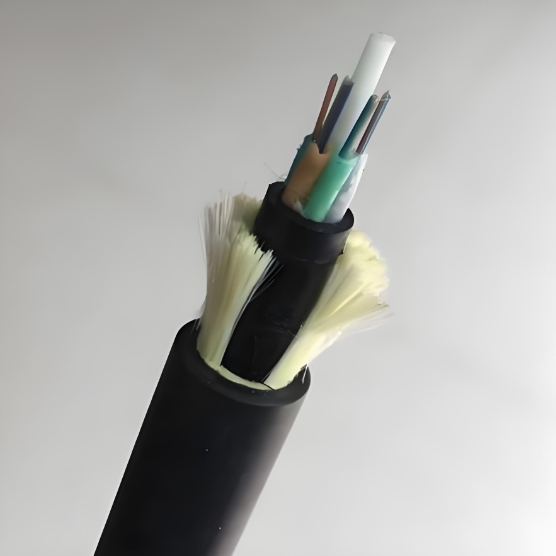
ADSS optical fiber cable China manufacturers are emerging as pivotal partners in this transformation, offering innovative solutions that combine durability, efficiency, and cost-effectiveness.
Premium ADSS Optical Fiber Cable from China

we don't just manufacture MPO cable solutions – we engineer connectivity revolutions. While many suppliers offer basic MPO to MPO cable products, our patented technologies and client-first approach have made us the secret weapon.
5 Reasons To Choose MPO Cables Produced By Us

In the ever-evolving landscape of telecommunications, the term "fiber cable" reigns supreme, symbolizing the lifeline of high-speed connectivity. As we embark on a journey to explore the intricacies of this technology, we\'ll unravel the nuances of cable fiber optic, optic fiber, and optic cable, understanding their collective role in shaping the digital future.
Unleashing the Power of Connectivity: Navigating the Realm of Fiber Cables