A Guide to Identifying Quality in Fiber Optic Patch Cords
In the intricate landscape of fiber optic connectivity, the role of patch cords is paramount. These small but crucial components form the bridge that facilitates the seamless transmission of optical signals. As organizations and individuals increasingly rely on fiber optics for high-speed data transfer, the importance of identifying quality in fiber optic patch cords becomes paramount. In this comprehensive guide, we delve into the key aspects and considerations that empower users to discern the quality of fiber optic patch cords, ensuring reliability and performance in every connection.
Understanding the Basics: What are Fiber Optic Patch Cords?
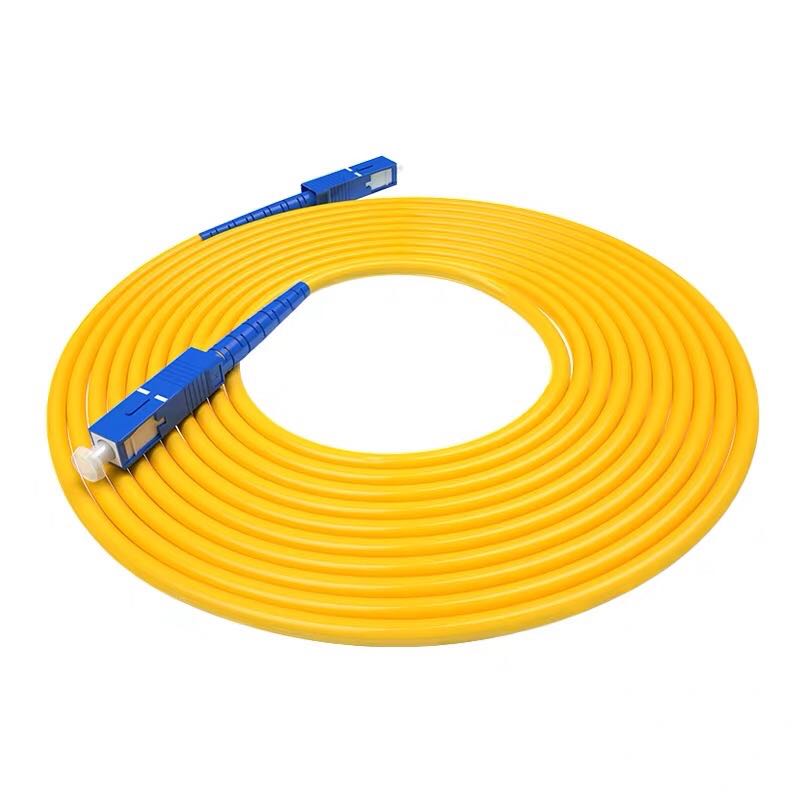
Before embarking on the journey of identifying quality, let's establish a foundational understanding of fiber optic patch cords. These cords, often referred to as fiber patch cables or jumper cables, are essential components in fiber optic networks. They are pre-terminated with connectors on both ends, facilitating the direct connection between network devices, transceivers, and other equipment.
Key Characteristics of Quality Fiber Optic Patch Cords:
- Connector Types:
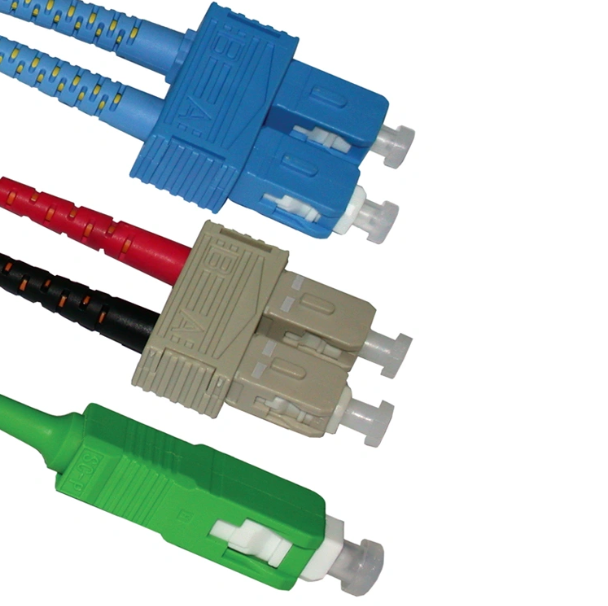
The type of connectors on the patch cords is a crucial determinant of quality. Common connectors include SC, LC, ST, and MTP/MPO. Quality patch cords will feature connectors that are precision-made, ensuring a secure and reliable connection.
- Fiber Type:
Different applications may require different types of fiber, such as single-mode or multi-mode. Quality patch cords are manufactured with the appropriate fiber type to meet the specific needs of the network.
- Cable Construction:
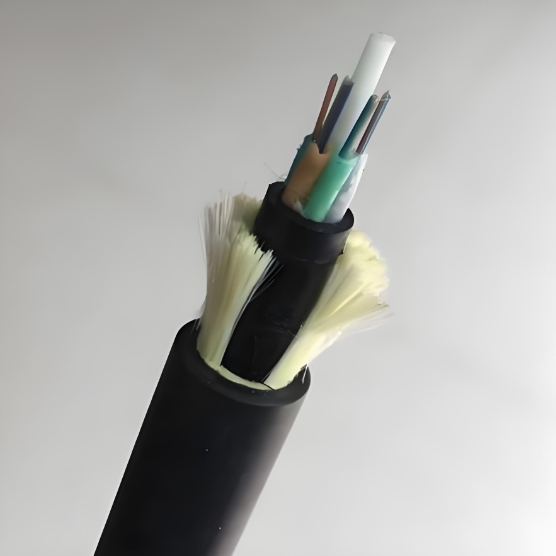
The construction of the cable itself plays a significant role in the overall quality. Quality patch cords feature durable and flexible cable materials that provide protection without compromising flexibility.
- Polishing and Ferrule Quality:
The polishing of connectors and the quality of ferrules are critical factors. Well-polished connectors reduce insertion loss and return loss, contributing to better overall performance. High-quality ferrules ensure a snug fit and optimal signal transmission.
- Insertion Loss and Return Loss:
These parameters measure the efficiency of signal transmission and reflection. Quality patch cords undergo rigorous testing to ensure low insertion loss and high return loss, indicative of superior performance.
- Durability and Flexibility:
A quality patch cord is designed to withstand the rigors of daily use. It exhibits durability in terms of repeated connections and disconnections, and its flexibility ensures ease of installation in various network configurations.
Visual Inspection: The First Step in Quality Assessment:
- Connector End-face Inspection:
A visual inspection of the connector end-faces is a simple yet effective method. Quality patch cords feature clean and well-polished connectors with no scratches, pits, or other abnormalities.
- Cable and Connector Alignment:
The alignment of the cable and connector is crucial. Quality patch cords exhibit precise alignment, ensuring optimal performance and minimizing signal loss.
- Labeling and Branding:
Legitimate and reputable manufacturers provide clear labeling and branding on their patch cords. This information includes details about the fiber type, connector type, and other specifications.
Testing and Verification: Ensuring Performance in Practice:
- Insertion Loss Testing:
Using specialized testing equipment, insertion loss can be measured. Quality patch cords demonstrate minimal insertion loss, indicating efficient signal transmission.
- Return Loss Testing:
Return loss is a critical parameter for signal reflection. Quality patch cords undergo testing to ensure low return loss, contributing to a reliable and stable connection.
- Environmental Testing:
Quality patch cords are designed to perform in a variety of environmental conditions. Testing for factors such as temperature resistance and moisture protection ensures the durability of the patch cord.
The Importance of Quality Assurance:
Investing in quality fiber optic patch cords is an investment in the reliability and performance of the entire fiber optic network. Poor-quality patch cords can lead to signal degradation, connection failures, and increased maintenance efforts. By prioritizing quality, users can mitigate these risks and ensure a robust and efficient fiber optic infrastructure.
Understanding the Distinctions Between Fiber Patch Cords and Pigtails
Skylynn’s High-Quality Submarine Cables: Leading Innovation in Undersea Connectivity
Related Article