Pigtail: Navigating the Essential Element in Fiber Optic Connectivity

In the intricate web of fiber optic connectivity, the term "pigtail" emerges as a fundamental component, playing a pivotal role in ensuring seamless data transmission. This article serves as a comprehensive introduction to pigtail, unraveling its significance, applications, and the diverse forms it takes, including cable pigtail and pigtail fiber.
Understanding Pigtail: The Backbone of Fiber Optic Connectivity
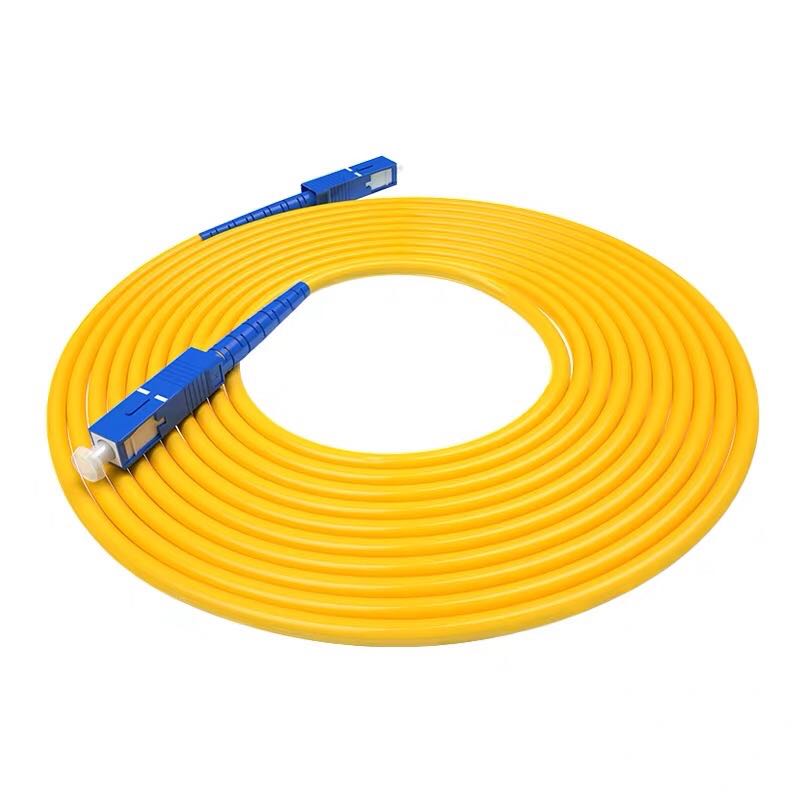
At its core, a pigtail is a short length of fiber optic cable terminated with a connector at one end. It acts as the intermediary link between longer optic cables and network devices, serving as the bridge that facilitates the efficient transmission of optical signals. Pigtails are available in various connector types, each tailored to specific applications, making them a versatile and indispensable element in the world of fiber optics.
Cable Pigtail: Bridging Gaps in Connectivity
A cable pigtail extends the functionality of traditional pigtails by providing additional length and flexibility. The integration of a longer cable in the pigtail design offers versatility in connecting diverse components within a network. This is particularly useful in scenarios where the distance between network elements requires a customized solution. The cable pigtail ensures that connectivity is not compromised, allowing for optimal signal transmission across varying distances.
Pigtail Fiber: Enhancing Precision in Connections
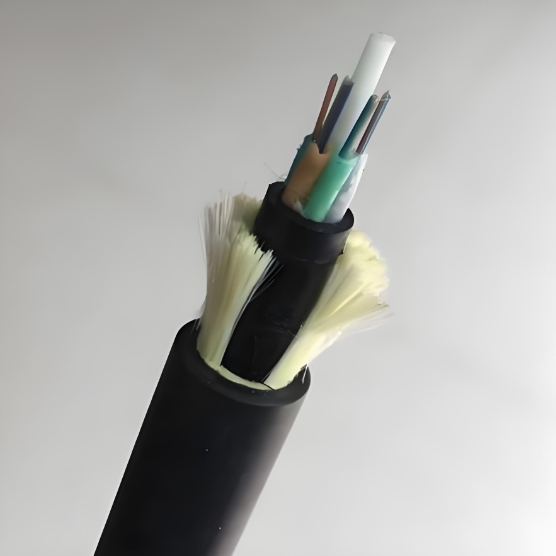
The term "pigtail fiber" refers to the optical fiber used in the construction of a pigtail. This fiber is meticulously engineered to ensure high precision and reliability in data transmission. The quality of the pigtail fiber directly impacts the overall performance of the optical network, making it essential to choose fibers that meet the specific requirements of the intended application.
Key Features of Pigtail:
- Connector Variety: Pigtails come with a range of connectors, including but not limited to SC, LC, ST, and FC connectors, making them adaptable to diverse network architectures.
- Compact Design: Pigtails are designed to be compact and easily manageable, allowing for seamless integration into various network setups.
- Customization: The versatility of pigtails allows for customization in terms of cable length, connector type, and fiber specifications, ensuring they meet the specific needs of each application.
Applications of Pigtails in Fiber Optic Networks:
- Telecommunications: Pigtails are widely used in telecommunications networks, serving as the essential link between longer optic cables and communication devices.
- Data Centers: In data centers where efficient connectivity is paramount, pigtails play a crucial role in establishing and maintaining high-performance optical connections.
- Fiber-to-the-Home (FTTH): Pigtails contribute to the deployment of FTTH networks, ensuring reliable and efficient connectivity for residential and commercial applications.
Choosing the Right Pigtail for the Job:
Connector Type: Selecting the appropriate connector type is crucial. Different applications may require SC, LC, ST, or FC connectors, and choosing the right one ensures compatibility.
Fiber Specifications: Consider the specific requirements of the application, such as data transfer speed, to determine the optimal pigtail fiber specifications.
Cable Length: For scenarios where additional length is necessary, opting for a cable pigtail provides the flexibility needed to bridge varying distances.
In Conclusion: Pigtails as the Nexus of Connectivity
In the dynamic landscape of fiber optic connectivity, the pigtail stands as the nexus, seamlessly connecting optical fibers to network devices with precision and reliability. Whether in the form of a cable pigtail extending reach or pigtail fiber ensuring optimal data transmission, this fundamental component plays a vital role in shaping the efficiency of modern optical networks. As technology advances, the role of pigtails continues to evolve, adapting to the ever-growing demands of high-speed, reliable data transmission in the digital age.
Skylynn’s High-Quality Submarine Cables: Leading Innovation in Undersea Connectivity
Pigtail and Pigtail Connector: the Essential Bond in Fiber Optic Connectivity
Related Article