Navigating Connectivity: Fiber Cable vs Cable and Exploring Fiber Network Cable Prices
In the ever-evolving landscape of communication technologies, the choice between "fiber cable vs. cable" has become a pivotal decision for businesses and individuals seeking reliable and high-speed connectivity. As we unravel the nuances of this choice, we'll also explore the significance of fiber network cables and the factors influencing fiber cable prices.
Fiber Cable vs Cable: Unraveling the Differences
The debate between fiber cable and traditional cable revolves around the modes of data transmission and the materials used. Fiber cables utilize light signals transmitted through thin strands of glass or plastic fibers, offering higher bandwidth and reduced signal degradation over long distances. On the other hand, traditional cables, often copper-based, transmit electrical signals, which can be susceptible to interference and have limitations in speed and distance.
The advantages of fiber cables include:
- High Bandwidth: Fiber cables offer significantly higher bandwidth, making them capable of transmitting large amounts of data at faster speeds.
- Reduced Signal Loss: Light signals in fiber cables experience minimal signal loss, ensuring reliable data transmission over extended distances.
- Immunity to Interference: Fiber cables are immune to electromagnetic interference, providing a stable and secure communication channel.
Fiber Network Cable: Building the Infrastructure of Tomorrow
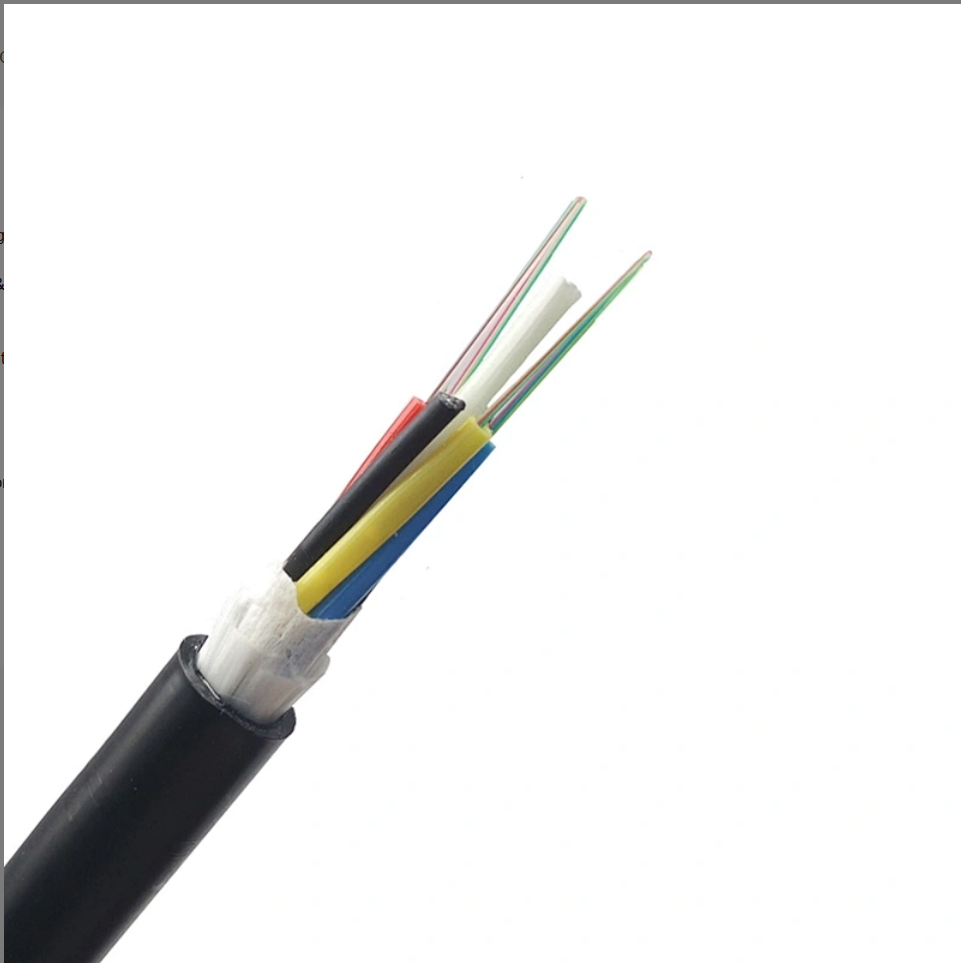
A vital component in the realm of high-speed connectivity is the "fiber network cable." These cables form the backbone of modern communication infrastructures, facilitating the establishment of robust networks capable of meeting the escalating demands of data-intensive applications. Fiber network cables lay the foundation for enhanced internet experiences, enabling seamless streaming, online collaboration, and efficient data transfer.
Factors Influencing Fiber Cable Prices
Understanding the factors that influence "fiber cable prices" is crucial for making informed decisions about network infrastructure investments. Several key factors contribute to the overall cost of fiber cables:
- Fiber Type: Different types of fibers, such as single-mode and multi-mode, have varying costs based on their specific applications and capabilities.
- Cable Design: The complexity of the cable design, including the number of fibers, protective layers, and specialized features, can impact the overall cost.
- Installation Requirements: The cost of installation, including labor and equipment, adds to the overall investment in a fiber cable network.
- Quality and Certification: High-quality, certified fiber cables may have a higher upfront cost but offer long-term reliability and performance.
The Future of Connectivity: Making Informed Choices
As we look toward the future of connectivity, the decision between fiber cable vs. cable becomes increasingly pivotal. The relentless demand for faster and more reliable networks propels fiber cables to the forefront, reshaping the digital landscape.
In conclusion, the choice between fiber cable and traditional cable is a decision that significantly impacts the quality and capabilities of communication networks. As fiber network cables become integral to modern infrastructures, understanding the factors influencing fiber cable prices ensures informed investments that pave the way for a connected and technologically advanced future.
Empowering Connectivity: The Impact of Fiber Cable Internet
Related Article