Understanding the Distinctions Between Fiber Patch Cords and Pigtails
In the intricate landscape of fiber optic networks, the terms "fiber patch cords" and "pigtails" are integral components that play distinct roles in ensuring the seamless transmission of optical signals. This article aims to shed light on the differences between these essential elements, exploring their characteristics, applications, and the unique roles they play in the realm of connectivity.
Fiber Patch Cords: The Versatile Link in Connectivity
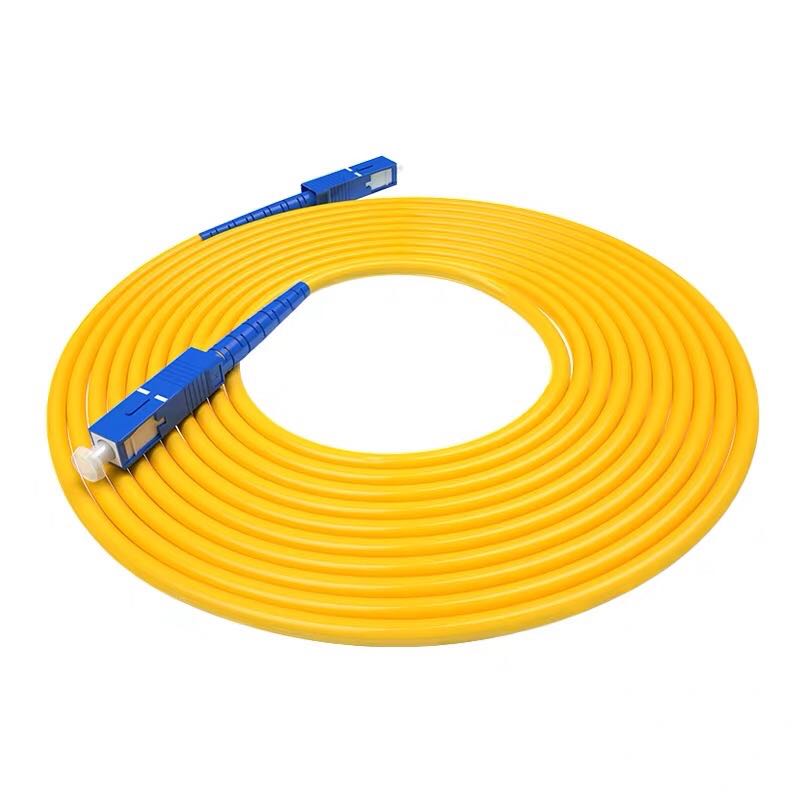
Fiber patch cords, also known as fiber patch cables or jumper cables, are the workhorses of connectivity in fiber optic networks. These cords are pre-terminated with connectors on both ends, typically of the same type, such as SC, LC, ST, or MTP/MPO connectors. The primary purpose of fiber patch cords is to establish direct connections between different devices, enabling the seamless transmission of optical signals.
Key Features of Fiber Patch Cords:
Pre-Terminated Ends: Fiber patch cords come with pre-terminated connectors on both ends, simplifying the process of connecting devices without the need for additional termination.
Variety of Connectors: Available in a range of connector types, fiber patch cords cater to diverse network architectures and applications, providing flexibility in connectivity solutions.
Plug-and-Play Design: The plug-and-play nature of fiber patch cords facilitates easy installation and quick reconfiguration in network setups, making them ideal for dynamic environments.
Pigtails: The Essential Intermediary Link
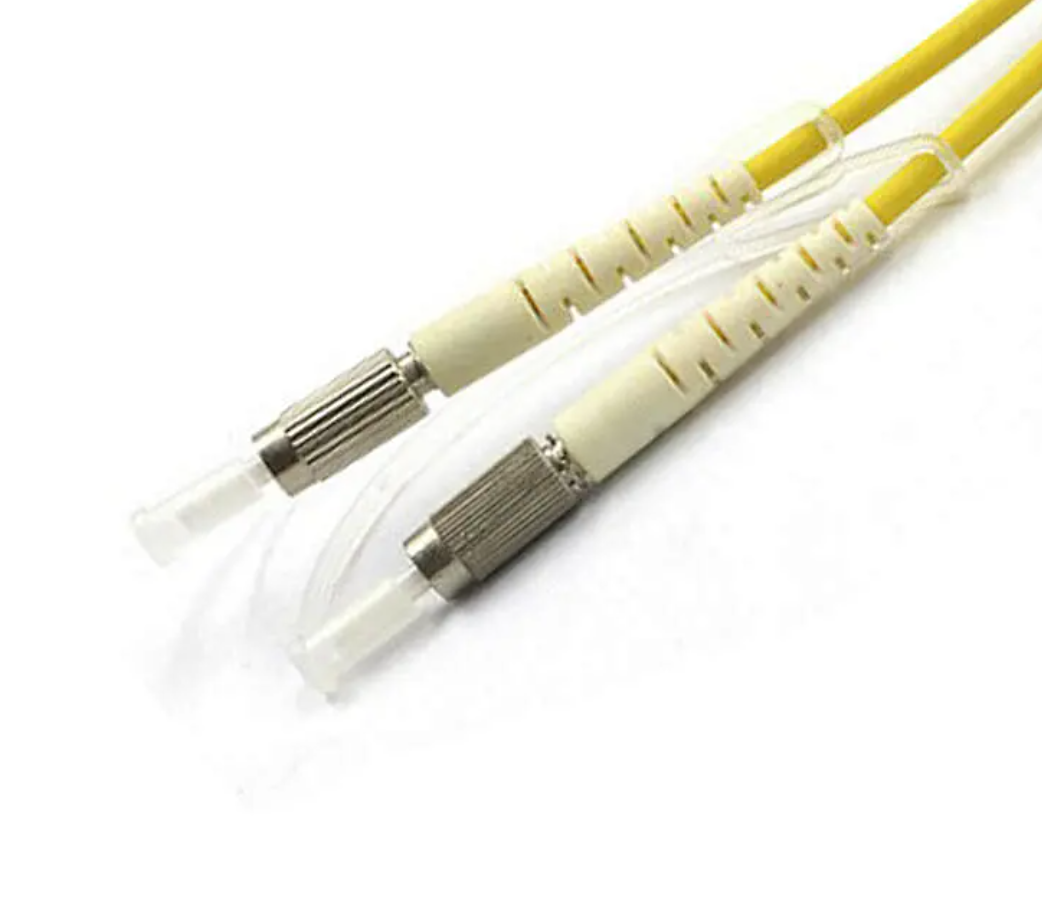
Pigtails, on the other hand, serve as intermediary links in the fiber optic connectivity chain. Unlike fiber patch cords, pigtails have a single, pre-terminated connector at one end, leaving the other end un-terminated. The un-terminated end is designed for fusion splicing with optical fibers, providing a customizable and tailored solution for specific network configurations.
Key Features of Pigtails:
Single Pre-Terminated End: Pigtails have a single pre-terminated end, typically with connectors such as SC, LC, ST, or FC, designed for connection to network devices.
Un-Terminated End: The un-terminated end of a pigtail is intended for fusion splicing, allowing for customization in terms of fiber length and connector compatibility.
Customizable Solutions: Pigtails provide a level of customization, making them suitable for scenarios where specific fiber lengths or connector types are required for optimal network performance.
Distinguishing Between Fiber Patch Cords and Pigtails:
Termination Configuration: The primary distinction lies in the termination configuration. Fiber patch cords have pre-terminated connectors on both ends, while pigtails have a single pre-terminated end and an un-terminated end.
Use Cases: Fiber patch cords are directly used to connect devices with pre-terminated connectors, whereas pigtails are often used in conjunction with splice enclosures and fusion splicing for tailored connections.
Installation Flexibility: Fiber patch cords offer plug-and-play convenience, making them suitable for quick installations and dynamic network configurations. Pigtails provide flexibility through customization and are ideal for scenarios requiring specific connector types and fiber lengths.
Applications in Fiber Optic Networks: Where Each Shines
Fiber Patch Cords: Widely used for direct connections between devices, patch panels, and distribution frames in data centers, telecommunications networks, and enterprise environments.
Pigtails: Commonly employed in splice enclosures, fiber distribution hubs, and situations where customization and specific connector types are crucial, such as in Fiber-to-the-Home (FTTH) deployments.
Choosing the Right Connectivity Solution:
For Direct Device Connections: Opt for fiber patch cords when direct connections between devices or distribution frames are needed.
For Customized Configurations: Choose pigtails when customization is required, especially in scenarios involving splice enclosures, fusion splicing, or specific connector types.
In Conclusion: Crafting Connectivity Solutions
In the intricate dance of fiber optic connectivity, fiber patch cords and pigtails play distinct but complementary roles. While fiber patch cords offer a plug-and-play solution for direct connections, pigtails provide a customizable intermediary link for tailored configurations. Understanding the differences between these essential components is key to crafting efficient and reliable connectivity solutions in the ever-evolving landscape of fiber optic networks.
Shenzhen Skylynn: Leaders in adss Optical Cable Innovation
A Guide to Identifying Quality in Fiber Optic Patch Cords
Related Article